How Interior Designers Make FF&E Procurement Easier
When it comes to interior design, one acronym we hear often is FF&E.
This stands for Furniture, Fixtures, and Equipment, and it encompasses the essential components that make a space functional and aesthetically pleasing. FF&E procurement, therefore, plays a crucial role in the creation or renovation of any property, from hotels and offices to schools and healthcare facilities.
For businesses, FF&E procurement can be an investment in employee well-being, operational efficiency, and aesthetics. For hotels, it directly impacts guest experience and, ultimately, the establishment’s reputation.
Interior Designers play a pivotal role in making FF&E procurement not only easier but also more streamlined, efficient, and aligned with the project’s goals.
Interior designers bring expertise, organization, and an understanding of both aesthetics and functionality, which is invaluable when managing the complexities of FF&E procurement. Here’s how they make the process easier for everyone involved:

1. Clear Vision and Detailed Specifications
One of the first and most important steps in FF&E procurement is creating a clear vision for the space. Interior designers bring this clarity to the table. By collaborating with clients to define the design intent, budget, and performance expectations, they ensure that specifications are thorough and detailed.
Design intent alignment: Designers help translate the client’s vision into tangible choices. They ensure the furniture, fixtures, and equipment not only match the desired aesthetic but also meet functional requirements.
Comprehensive specifications: They provide detailed specs (materials, finishes, dimensions, etc.), reducing ambiguity and ensuring that what’s ordered matches the original design concept.
By having these specifications clearly outlined upfront, designers eliminate the risk of
miscommunication and unnecessary changes later in the process.

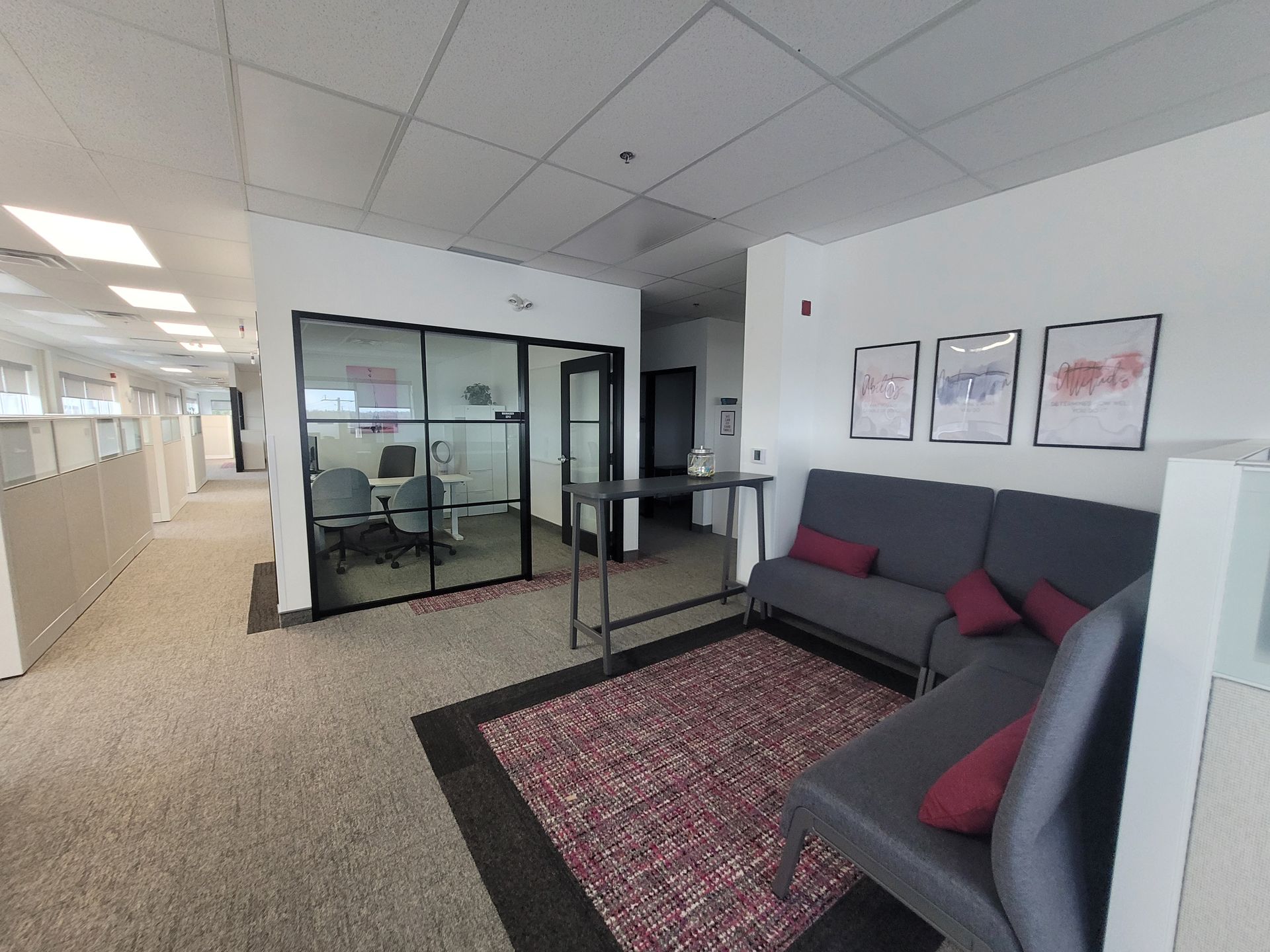
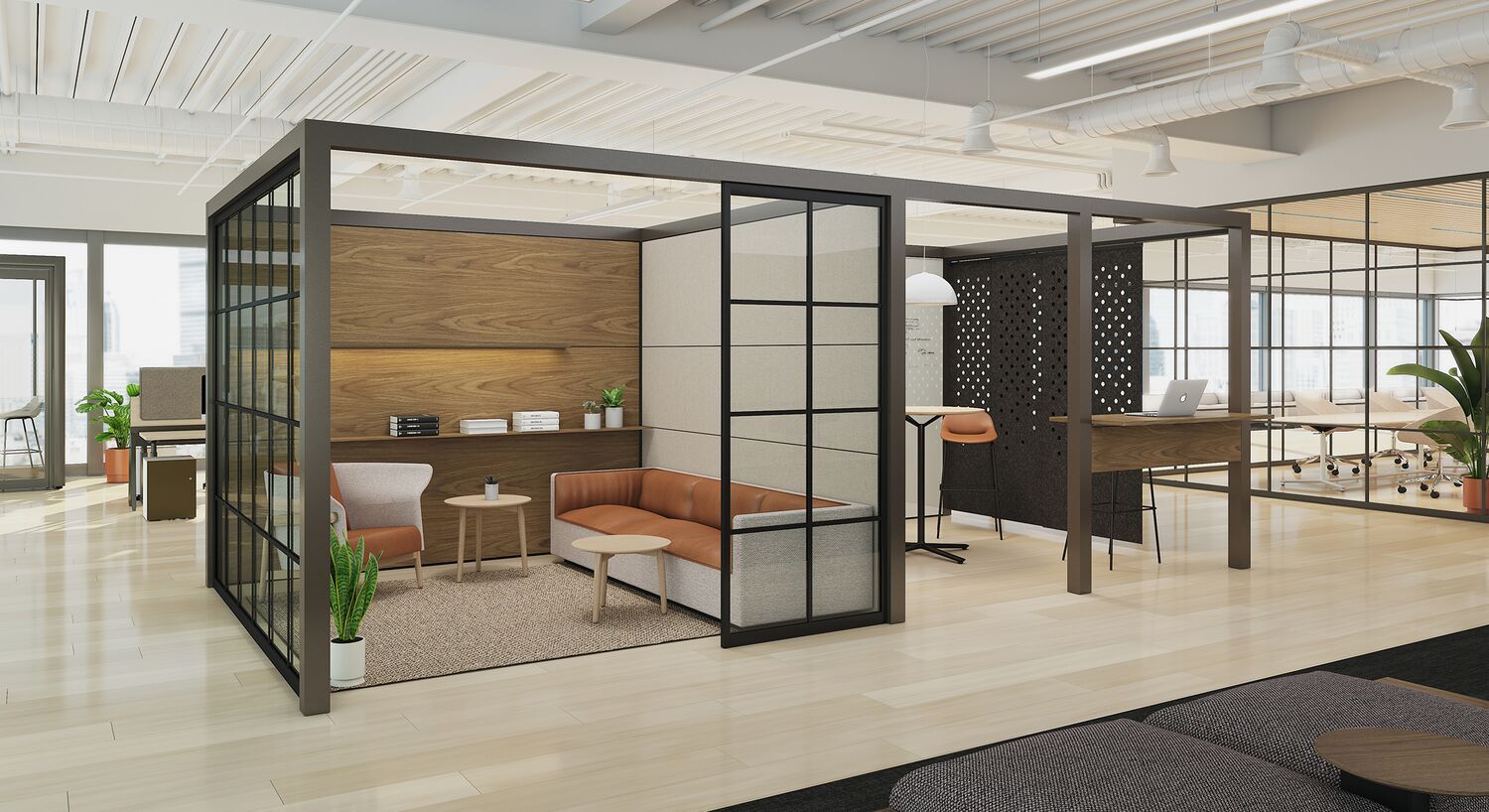
Photo: collaborative-office
2. Sourcing and Vendor Selection Expertise
Interior designers are connected within the design industry and typically have established relationships with a wide range of reliable vendors. This network is invaluable for FF&E procurement. Rather than clients or project managers spending time vetting vendors or searching for the best suppliers, designers can streamline the process by providing trusted recommendations.
Vendor connections: Designers often have long-standing relationships with furniture manufacturers, fabricators, and suppliers, ensuring that quality materials and products are sourced quickly and cost-effectively.
Customization options: If a custom piece is required, designers know how to approach the right suppliers to meet exact specifications, ensuring the final product aligns perfectly with the design vision.
Having these established relationships not only saves time but often leads to better pricing, better service, and more reliable delivery schedules.

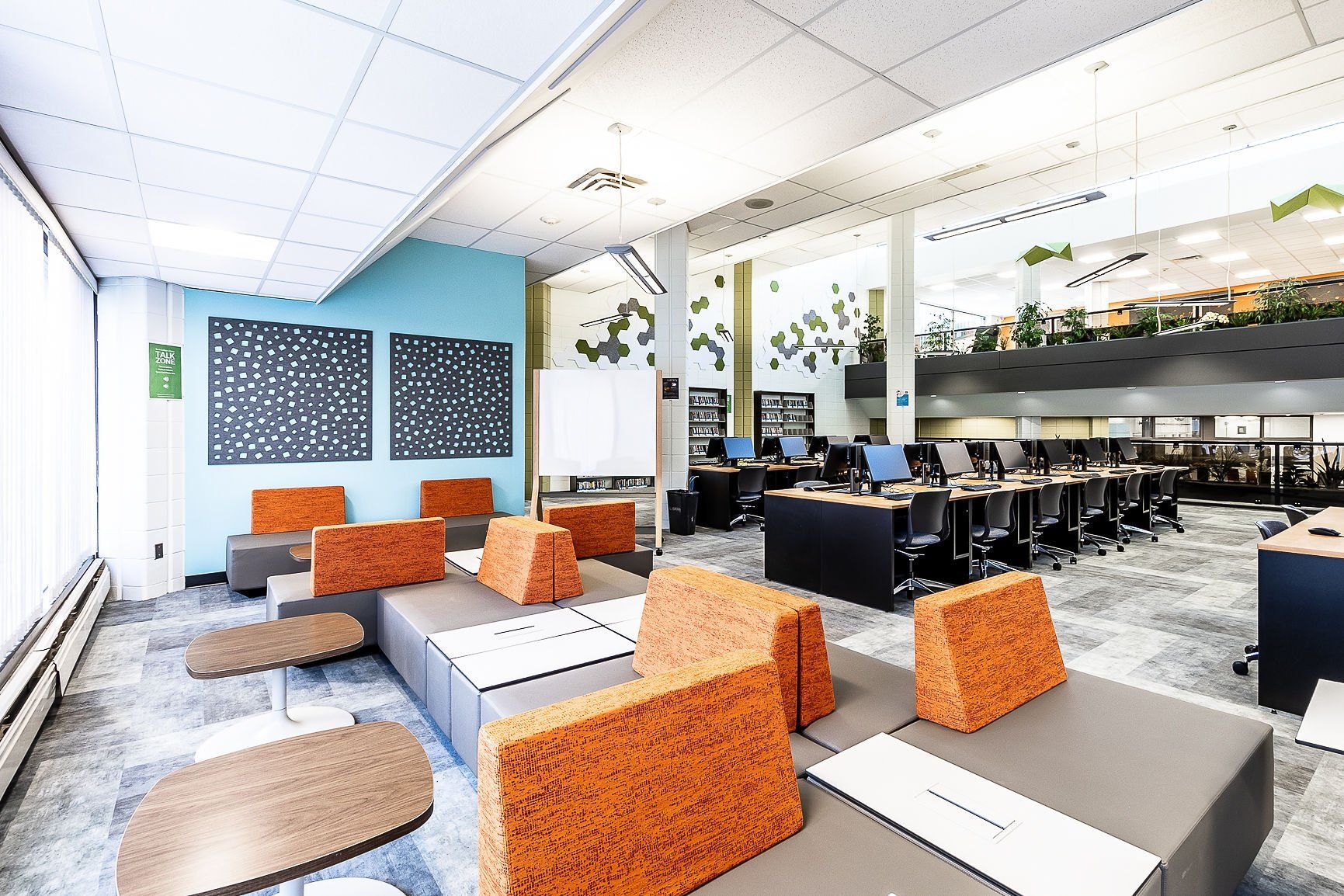
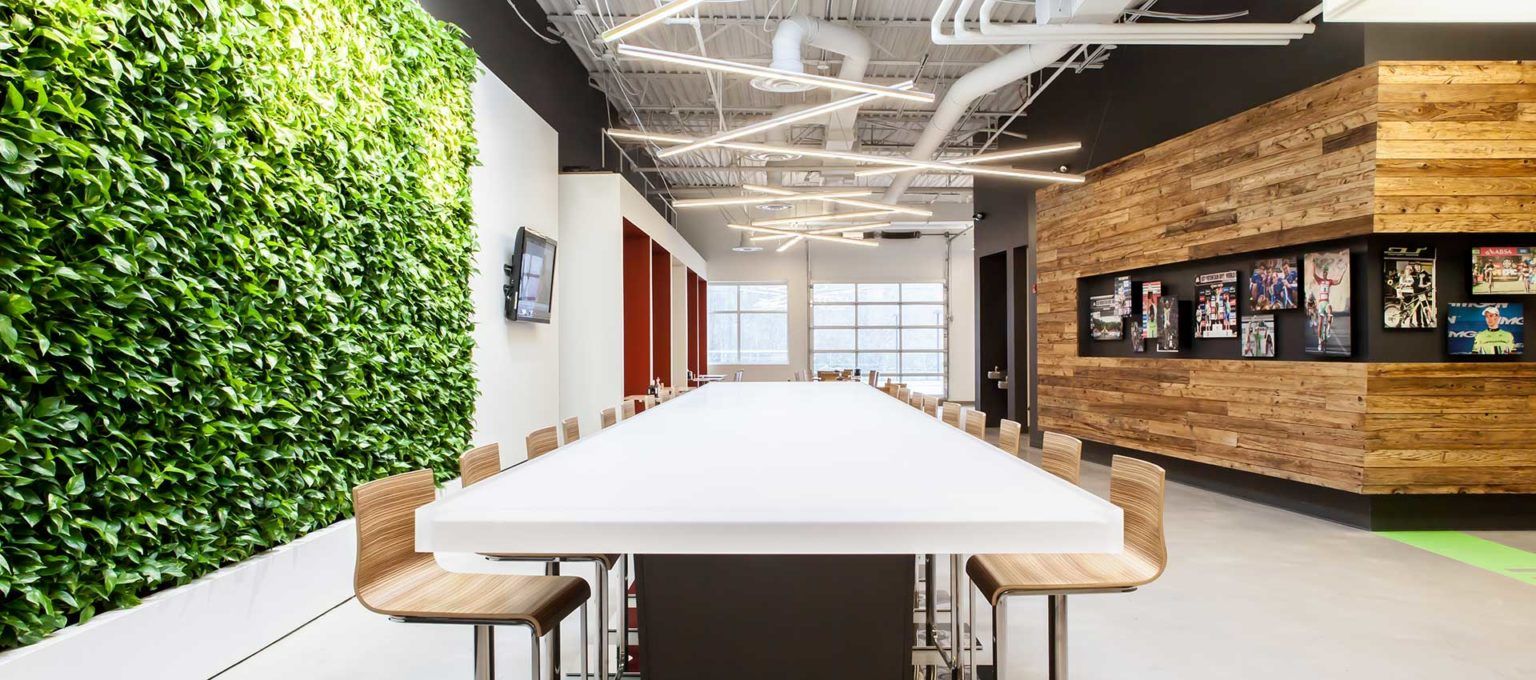
Photo: NeoCon Chicago
3. Budget Management and Cost Control
FF&E procurement can easily spiral out of control if costs aren’t carefully monitored. Interior designers are experts at managing budgets while still delivering high-quality, functional, and aesthetically pleasing results. They act as intermediaries between the client and the vendor, helping to keep the project on budget without sacrificing design quality.
Value engineering: Designers help identify ways to achieve design goals without exceeding budget limits, whether it’s by recommending alternative materials or adjusting specifications for more cost-effective options.
Cost tracking: Throughout the procurement process, interior designers track all purchases and expenditures to ensure the project stays within budget, avoiding surprises down the line.
Their ability to balance aesthetics with budget considerations ensures that the project’s financial and design goals are always aligned.

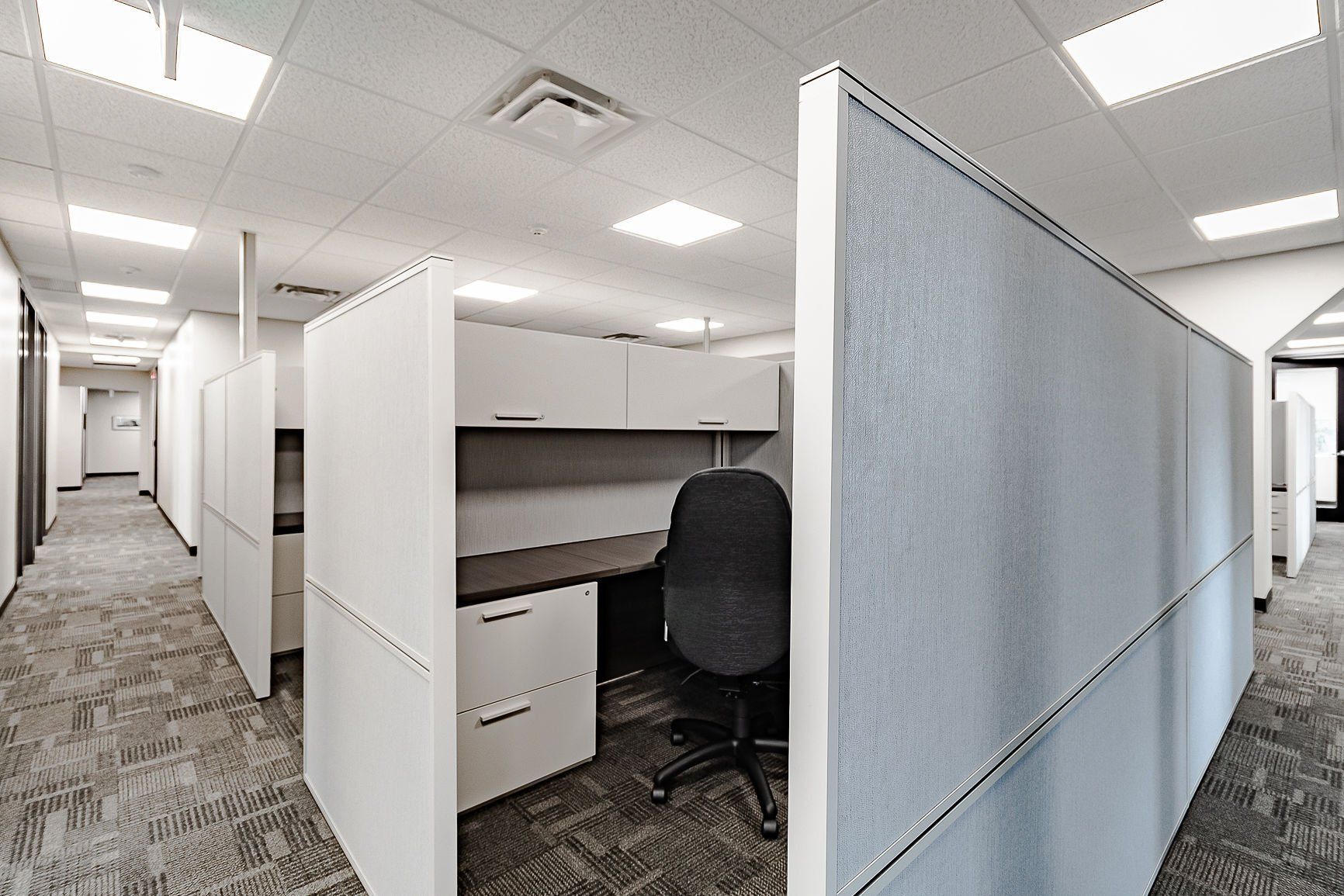
Photo: ethosource
4. Time Management and Coordination
One of the biggest challenges in FF&E procurement is staying on schedule. Delays in product delivery, installation hiccups, or shipping errors can all cause costly disruptions to the project timeline. Interior designers are experts at managing time-sensitive elements, ensuring that everything arrives when needed and fits into the overall schedule.
Scheduling and timelines: Designers create realistic delivery timelines and work closely with vendors to confirm lead times for each FF&E item, ensuring that everything arrives on time and in the right order.
Logistics coordination: From managing shipments to overseeing installations, interior designers coordinate all aspects of FF&E logistics to avoid delays. They often act as the point of contact between the supplier, installation team, and client, keeping things moving forward smoothly.
By managing logistics and timing, designers prevent delays and ensure the project stays on track.

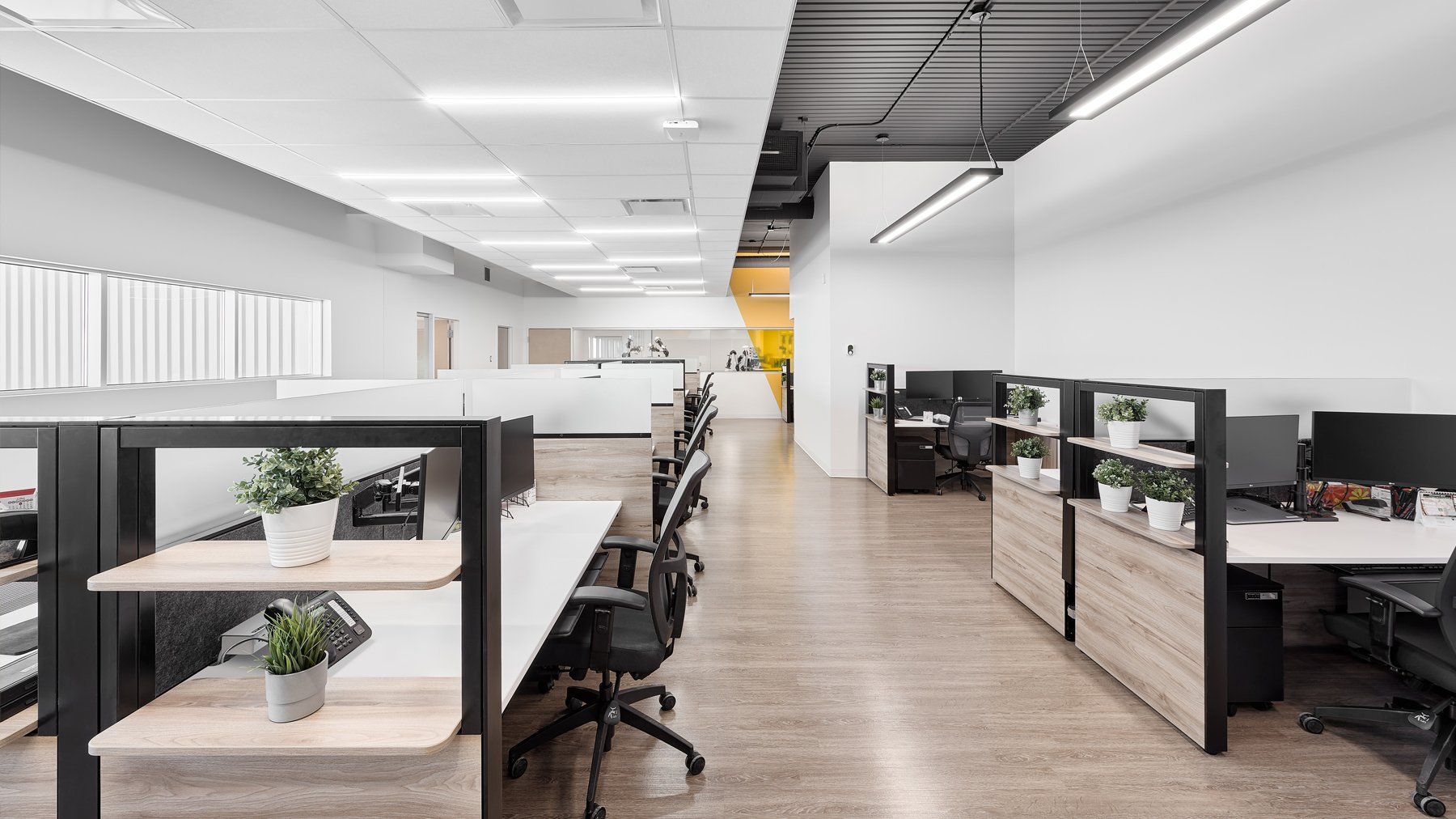
Photo: recon furniture
5. Attention to Detail and Quality Control
Even the smallest oversight can create a ripple effect that delays the project and raises costs. Interior designers bring an educated attention to detail that ensures the procurement process is seamless and that every item is reviewed for quality and compliance with the project’s requirements.
Quality assurance: Designers conduct quality checks on materials and products before they are approved for order, reducing the chance of defects or inconsistencies upon delivery.
Problem-solving: If issues arise with orders or items (e.g., wrong finishes or materials), designers quickly address the problem with vendors, preventing delays and ensuring replacements are made promptly.
This careful oversight ensures that all products meet the client’s expectations and remain aligned with the design concept, avoiding costly rework or replacements later.

Photo: Shutterstock
6. Streamlined Communication Across Teams
The FF&E procurement process involves multiple stakeholders; designers, clients, vendors, contractors, and sometimes project managers, so clear communication is important. Interior designers are skilled coordinators who facilitate communication between all parties, ensuring that everyone is aligned and that nothing falls through the cracks.
- Central point of contact: Designers serve as the main liaison between the client, procurement team, and suppliers, ensuring that all parties have the latest information and updates about orders, delivery schedules, and any potential issues.
- Managing expectations: Designers are skilled at managing expectations across all stakeholders, from negotiating timelines with vendors to keeping clients informed of any potential changes or delays.
This central role ensures that all communication is streamlined and that everyone is on the same page throughout the procurement process.

Photo: Michael's Global Trading
7. Ensuring Design Intent is Preserved
One of the most significant risks in FF&E procurement is that the final products don’t align with the original design intent. Whether it’s the wrong materials, colors that don’t match, or pieces that don’t fit the space, designers help ensure that every piece of furniture and equipment supports the overall design vision.
- Design integrity: Designers constantly ensure that each FF&E element—whether it’s a custom-made piece or an off-the-shelf product—meets the design specifications and fits seamlessly into the space.
- Final checks: Before final approval and installation, designers carefully inspect all items for any deviations from the original design concept, making adjustments as needed to stay true to the vision.
Their ability to maintain design integrity ensures that the end result is exactly what was envisioned, creating spaces that are functional, beautiful, and cohesive.
FF&E procurement might seem simple at first glance, but it requires a great deal of expertise and organization to execute successfully. Interior designers make this process easier by bringing clarity, efficiency, and expertise at every step. From clear vision and detailed specifications to managing budgets, timelines, and logistics, their role is essential in ensuring that FF&E procurement runs smoothly, stays within budget, and delivers a final product that aligns with the client’s design goals.
By leveraging industry knowledge, vendor relationships, and project management skills, interior designers turn a potentially complicated and time-consuming process into a seamless and successful part of the overall project.
Contact Us